East of England
Completed
Anglian Water Wet Well Cleaning and Drainage Maintenance
Discover how wet well cleaning, high pressure jetting and drainage maintenance supported wastewater infrastructure and bathing water standards.

Anglian Water
Water Recycling Company

BioMarsh Environmental completed the maintenance works using a combination of confined space entry, waste removal, pumping operations, drain and sewer cleaning and high-pressure jetting. Before the scheduled works date, preparations focused on access arrangements, equipment selection and the practical requirements associated with carrying out maintenance within the wet well.
Maintaining Critical Bathing Water Infrastructure
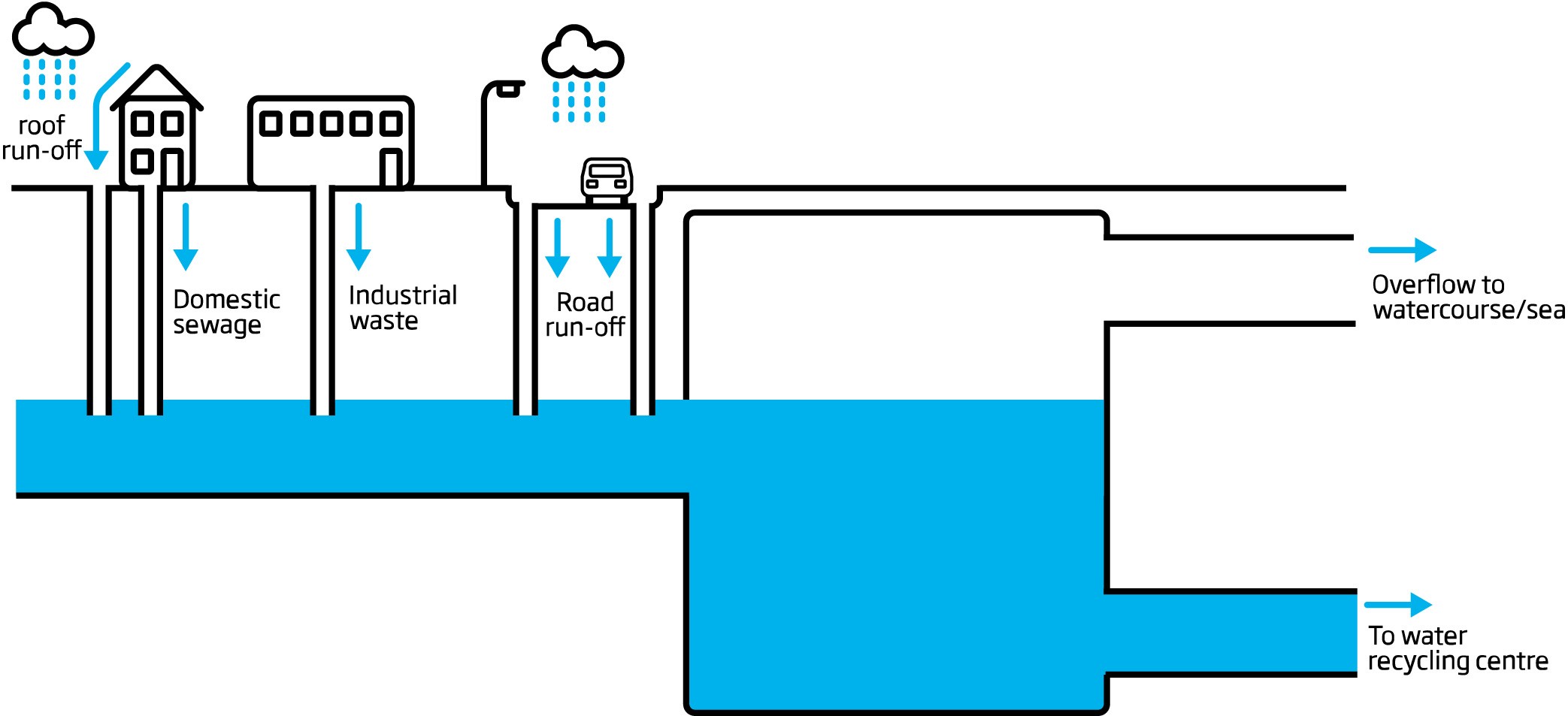
Storm overflow assets are exposed to changing flow conditions throughout the year and can gradually accumulate debris and sediment within the chamber. Regular maintenance helps manage this build-up and supports the continued operation of the asset.
Without periodic cleaning, deposits can continue to increase and begin affecting available capacity within the structure. Addressing these materials as part of planned maintenance helps prevent unnecessary operational issues from developing.
At Gorleston Lower Promenade, the cleaning works formed part of the ongoing management of wastewater infrastructure serving the local area.
Health, Safety and Operational Planning
Accessing the wet well safely required extensive preparation before operational teams could enter the chamber.
Site visits were completed with project personnel and site representatives to review access requirements, lifting operations and potential risks associated with the works. These discussions helped shape the cleaning methodology and ensure appropriate controls were in place before mobilisation.
A range of preparations took place before the maintenance works began. This included producing the necessary project documentation, reviewing rescue arrangements and completing lifting plans for the operation.
Equipment inspections formed part of these preparations, alongside checks of weather forecasts and tide schedules for the planned works period.
Site Assessments and Permit Coordination
The location of the wet well required close coordination between multiple operational teams before access could be granted. The proposed works were reviewed in advance to ensure all parties had a clear understanding of the planned approach and site requirements.
Emergency response arrangements formed part of these discussions, helping establish the procedures that would be followed throughout the operation. All permit requirements were completed ahead of mobilisation in line with Anglian Water's site procedures and operational requirements.
Operator certifications, equipment inspections and service records were reviewed before mobilisation. This helped ensure all personnel and equipment met the required standards before arriving on site.
Specialist Personnel and Safety Equipment
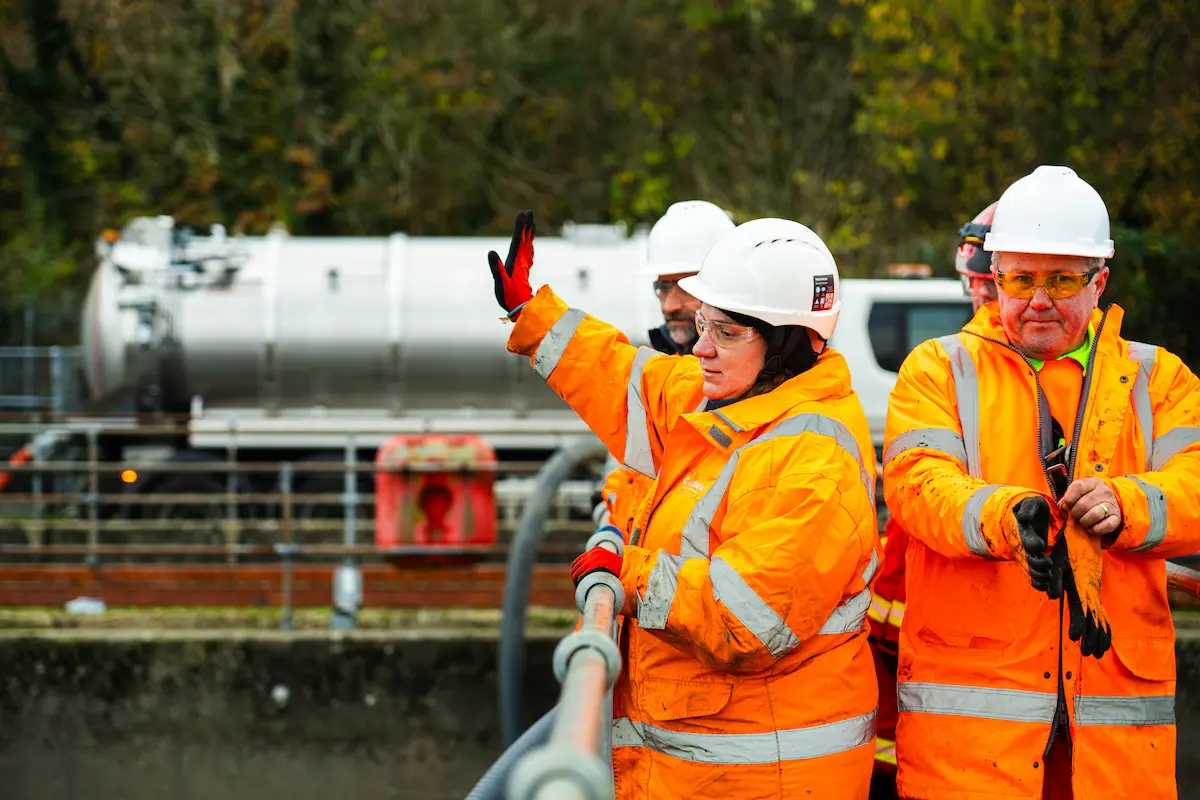
Due to the complexity of the confined space environment, a large team of trained personnel was assigned to the project.
The operational team included a team leader, combi operator, assistant jetting technician, confined space entrants, breathing apparatus controller, rescue personnel, crane operators and lifting specialists. Each individual had clearly defined responsibilities throughout the cleaning process.
Specialist equipment included breathing apparatus systems, gas monitoring equipment, high-flow ventilation units, ATEX communication devices, safety harnesses, lifting equipment and support vehicles. These controls helped create a safe working environment while maintaining continuous monitoring throughout the operation.
Wet Well Access and Preparation
Before cleaning activities could begin, the wet well required careful preparation to establish safe access conditions.
Several steps were completed before personnel entered the chamber. Liquid levels were reduced to improve access, while ventilation equipment was deployed to support safe working conditions within the wet well.
The team continued with the required checks during this stage of the operation. Once preparations had been completed, entry into the chamber was carried out using a crane-operated man-riding basket.
Controlled Entry Procedures
Confined space entry procedures formed a critical part of the overall project delivery.
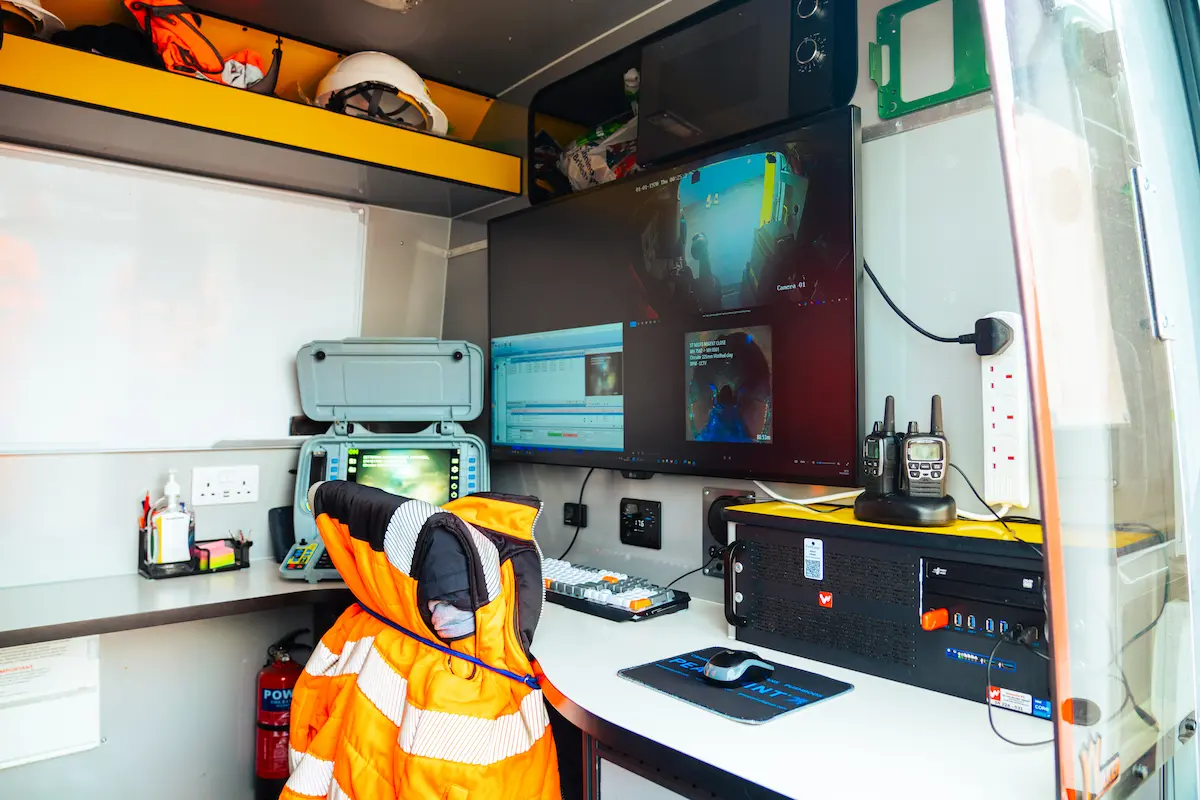
All personnel entering the wet well operated under a controlled permit system supported by dedicated safety attendants and rescue teams. Communication systems remained active throughout the operation, allowing personnel both inside and outside the chamber to coordinate activities effectively.
The structured entry process helped ensure cleaning activities could be completed safely while maintaining full compliance with confined space working requirements.
Wet Well Cleaning and Debris Removal Operations
The primary objective of the project was to remove accumulated debris and material from within the storm overflow wet well.
Over time, wastewater assets can experience significant build-up that restricts operational performance and reduces available storage capacity. Routine maintenance helps prevent these conditions from developing into larger operational issues.
Once access had been established, BioMarsh operatives began systematic cleaning activities throughout the chamber using specialist cleaning techniques designed for confined wastewater environments.
High Pressure Jetting Support
High pressure jetting formed an important part of the cleaning process.
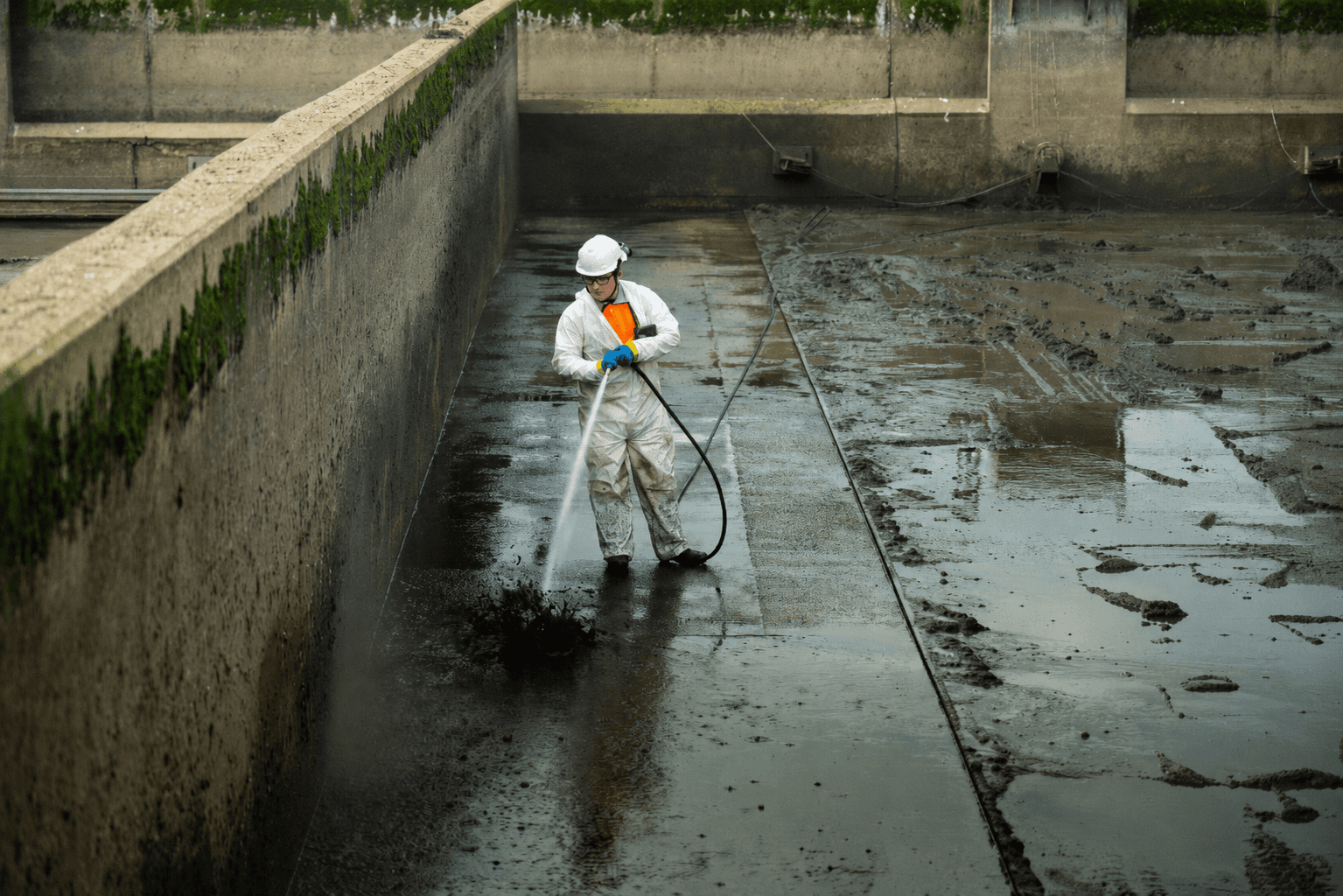
Jetting equipment was used to loosen accumulated material and create clear flow paths within the structure. The controlled use of water pressure helped break down deposits while assisting the movement of debris toward designated collection points.
During the works, high pressure jetting was used to assist with the removal of material from within the wet well. Deposits loosened during the process could then be directed toward the extraction equipment for removal.
Together, the cleaning and waste removal activities helped clear accumulated material from the chamber.
Sewer and Drainage Cleaning Activities
Alongside the wet well clean, drain and sewer cleaning activities helped support the overall maintenance objectives of the project.
Accumulated debris can often migrate between connected assets, creating restrictions that impact wider drainage network performance. Maintaining clear flow routes within the surrounding infrastructure helps reduce the risk of future sewer blockage incidents and operational disruption.
Over time, wastewater infrastructure can collect material that gradually affects how the system operates. The cleaning works focused on removing these deposits and restoring cleaner conditions within the connected network.
Routine maintenance of this nature helps keep assets in serviceable condition and supports the ongoing management of wastewater infrastructure.
Specialist Tankering and Waste Removal
Removing collected material from the wet well required specialist waste removal tanker support throughout the project.
Wire-armoured suction hoses were positioned within the chamber using crane-assisted methods to allow efficient waste extraction. Personnel inside the wet well used washdown systems and hand tools to guide debris toward the suction equipment.
Material recovered during the cleaning operation was removed from the chamber using specialist extraction equipment and transferred off site for disposal.
All waste streams generated during the works were managed using established disposal procedures appropriate to the material collected.
Supporting Environmental Compliance and Bathing Water Standards
The maintenance works addressed material that had accumulated within the wet well over time and provided an opportunity to assess the condition of the asset during cleaning activities.
A combination of specialist access procedures, jetting operations, waste extraction and sewer cleaning techniques was used throughout the project. Each stage of the works was planned around the operational requirements of the site.
Taking a planned approach to maintenance allows infrastructure operators to deal with developing issues before they become larger operational concerns.
At Gorleston Lower Promenade, the planned maintenance program formed part of a wider strategy designed to support bathing water quality and Blue Flag compliance requirements.
Delivering Planned Preventive Maintenance Through Specialist Drainage Services
The maintenance works addressed material that had accumulated within the wet well over time and provided an opportunity to assess the condition of the asset during cleaning activities.
A combination of specialist access procedures, jetting operations, waste extraction and sewer cleaning techniques was used throughout the project. Each stage of the works was planned around the operational requirements of the site.
By carrying out the work as part of a planned maintenance program, the asset could be cleaned and maintained before more significant operational issues developed.
Anglian Water
Water Recycling Company


